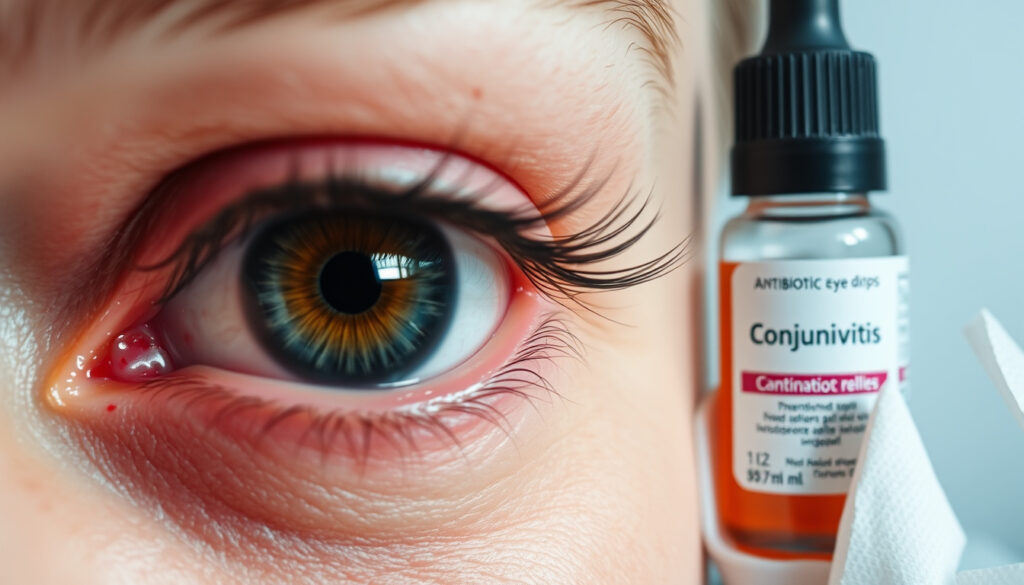
What Causes Pink Eye in Adults? Symptoms, Treatment & More
You wake up with one eye feeling gritty and red, and the first question that pops into your head is, “What caused this?” Pink eye in adults is surprisingly common — 3 to 6 million cases occur in the U.S. each year, according to the CDC (U.S. public health agency). But the cause isn’t always a cold or an infection; it could be your contact lenses, the pollen in the air, or even that pillowcase you haven’t washed in a while. Knowing exactly what’s behind the redness can help you treat it faster and avoid spreading it to others.
Estimated annual U.S. cases: 3–6 million ·
Most common viral cause: Adenovirus (up to 80% of viral cases) ·
Bacterial cause (adults): Staphylococcus aureus or Streptococcus pneumoniae ·
Incubation period (viral): 24–72 hours
Quick snapshot
- Sticky yellow/green discharge (Mayo Clinic (health system))
- Often affects both eyes (Mayo Clinic)
- Requires antibiotic drops in some cases (CDC)
- Improves within 2–5 days of treatment (CDC timeline)
- Not contagious (CDC)
- Caused by pollen, dust, pet dander (CDC)
- Intense itching, clear discharge (CDC)
- Treated with antihistamines (CDC)
- Contact lens overuse (CDC)
- Smoke, chlorine, chemicals (CDC)
- STIs (chlamydia, gonorrhea) can cause conjunctivitis (CDC)
- Rare: autoimmune conditions (CDC)
Four distinct categories of pink eye, one pattern: the cause determines both the symptoms and the right treatment.
| Label | Value |
|---|---|
| Annual U.S. cases | 3–6 million |
| Most common viral cause | Adenovirus |
| Typical viral duration | 7–14 days |
| Bacterial treatment | Antibiotic eye drops |
What causes pink eye in adults?
A single red eye can have four very different origins. Knowing which one you’re dealing with changes everything — from how you treat it to how long it lasts.
The CDC (U.S. public health agency) lists viruses, bacteria, allergens, and irritants as the primary triggers. In adults, viral infections — especially from adenovirus — account for the majority of acute cases. Bacterial infections, while more common in children, still affect adults, often caused by Staphylococcus aureus or Streptococcus pneumoniae. Allergies round out the top three, with pollen, dust mites, and pet dander as frequent culprits.
Why did I get a pink eye out of nowhere?
- Sudden-onset pink eye in adults is often viral — you may have caught it from someone who had a cold or touched a contaminated surface (CDC).
- Incubation period is 24–72 hours, so exposure from a few days ago is likely the cause.
- If you wear contact lenses, overuse or poor hygiene can trigger an irritant or infectious conjunctivitis (CDC).
Is pink eye due to bad hygiene?
- Hygiene alone doesn’t cause pink eye, but poor handwashing can spread viruses and bacteria from contaminated surfaces to your eyes (Medical News Today (health media)).
- Shared towels, pillowcases, and makeup brushes are common transmission vectors.
Is bacterial pink eye caused by poop?
- Fecal-oral transmission of bacteria (e.g., from contaminated hands after using the toilet) is possible but rare in adults (Healthline (health publisher)).
- More common bacterial sources are respiratory droplets or direct contact with infected secretions.
Can a dirty pillow cause eye infection?
- Yes — pillowcases can harbor bacteria and viruses from tears, mucus, or skin oils (American Academy of Ophthalmology (professional body)).
- Regularly washing bedding in hot water reduces the risk of reinfection.
For adults who live alone or share a home, the simplest hygiene habits — handwashing, clean towels, clean pillowcases — cut transmission risk significantly. A 2023 CDC review found that fomite transmission from shared linens is underappreciated in community settings.
How to tell if pink eye is bacterial or viral?
The type of discharge and associated symptoms are the biggest clues.
- Viral: watery discharge, starts in one eye, often accompanying cold symptoms (CDC symptoms).
- Bacterial: thick yellow/green discharge, often both eyes, sticky eyelids upon waking (Mayo Clinic (health system)).
- Allergic: itching, clear discharge, both eyes, no cold symptoms (CDC).
- A doctor can confirm by examining the eye; cultures are rarely needed.
| Symptom | Viral | Bacterial | Allergic |
|---|---|---|---|
| Discharge | Watery | Thick, yellow/green | Clear, watery |
| Itching | Mild | Mild | Intense |
| Eye(s) affected | Starts one | Often both | Both |
| Cold symptoms | Often present | Rare | No |
The pattern: discharge consistency is the single most reliable bedside sign for distinguishing viral from bacterial conjunctivitis.
What gets rid of pink eye quickly?
For viral cases, the best “treatment” is time and symptom relief. For bacterial, antibiotics shorten the course. For allergic, eliminate the trigger. Using the wrong drops can delay healing.
- Viral: artificial tears, cold compresses, and time (7–14 days) (CDC treatment guidelines).
- Bacterial: antibiotic eye drops prescribed by a doctor (CDC).
- Allergic: antihistamine drops and avoiding the allergen (CDC).
- Never use leftover antibiotic drops without a diagnosis.
- Practice good hygiene to avoid spreading.
What clears up pink eye fast?
- For bacterial conjunctivitis, antibiotic drops can bring improvement within 24–48 hours (Mayo Clinic).
- Viral pink eye won’t respond to antibiotics; supportive care is the only option.
The catch: using the wrong treatment — for example, antibiotic drops for a viral infection — won’t speed recovery and may cause side effects. Matching treatment to cause is the only way to shorten the illness.
How contagious is pink eye really?
- Viral and bacterial pink eye are highly contagious (CDC overview).
- Spread through direct contact (hand to eye) or contaminated surfaces.
- Incubation period 24–72 hours; contagious as long as symptoms last.
- Avoid sharing towels, pillows, and wash hands frequently.
- Allergic and irritant causes are not contagious.
The most contagious period is the first few days of symptoms. Staying home during that window — especially if you work in close contact with others — can prevent an outbreak in your workplace or family.
The implication: knowing whether your pink eye is infectious changes your social behavior. Viral and bacterial cases demand isolation; allergic and irritant cases don’t.
How long does pink eye last?
- Viral: resolves in 1–2 weeks without specific treatment (CDC).
- Bacterial: improves within 2–5 days with antibiotics; up to 2 weeks without (CDC).
- Allergic: lasts as long as allergen exposure continues.
- If symptoms persist beyond 2 weeks or worsen, see a doctor.
What is commonly misdiagnosed as pink eye?
- Dry eye syndrome, blepharitis, uveitis, and corneal abrasion are often mistaken for pink eye (American Academy of Ophthalmology).
- Severe eye pain, light sensitivity, or vision changes may indicate a more serious condition like iritis or, rarely, sepsis. The CDC advises immediate medical attention for eye pain, light sensitivity, or blurred vision that doesn’t improve.
“Most viral conjunctivitis cases are self-limited and do not require antimicrobial treatment.”
— CDC (U.S. public health agency)
“Allergic conjunctivitis usually improves by removing the allergen from the environment.”
— Mayo Clinic (health system)
The key insight: if your pink eye is viral, patience and hygiene are your best tools. For bacterial, a quick doctor visit can halve the duration. For allergic, identifying and removing the trigger is the only real cure.
- Identify the cause: use symptoms and exposure history to classify as viral, bacterial, allergic, or irritant.
- Follow cause-specific treatment: viral (supportive care), bacterial (antibiotic drops as prescribed), allergic (antihistamines and avoidance).
- Practice good hygiene: wash hands frequently, avoid touching eyes, don’t share towels or pillowcases.
Related reading: O Positive Blood Type: Facts, Diet, Health Risks & More
pmc.ncbi.nlm.nih.gov, restoredcdc.org, infectioncontroltoday.com, health.state.mn.us, tools.cdc.gov, facebook.com, restoredcdc.org, mayoclinic.org, cdc.gov
Frequently asked questions
Can a dirty pillow really cause pink eye?
Yes. Pillowcases can collect bacteria and viruses from eye discharge, saliva, and skin. The CDC notes that contaminated objects (fomites) are a transmission route. Wash bedding in hot water and avoid sharing pillows during an active infection.
What does sepsis in the eye look like?
Sepsis in the eye (endophthalmitis) is rare but serious. Symptoms include severe eye pain, redness, blurred vision, and sometimes a visible discharge. The CDC advises seeking immediate care if you have eye pain, light sensitivity, or vision changes that don’t improve when wiping away discharge.
Is pink eye the same as conjunctivitis?
Yes. “Pink eye” is the common term for conjunctivitis, which is inflammation of the conjunctiva — the thin membrane covering the white part of the eye and inner eyelids. Causes include viruses, bacteria, allergens, and irritants.
Can pink eye go away on its own?
Yes, if it’s viral or mild bacterial. The CDC states that mild viral pink eye usually clears up in 7–14 days without treatment. Mild bacterial pink eye may also resolve without antibiotics in 2–5 days.
Should I see a doctor for pink eye?
See a doctor if you have eye pain, light sensitivity, blurred vision, intense redness, or a weakened immune system. Also seek care if symptoms worsen or don’t improve after 24 hours of antibiotic use (CDC).
How can I avoid spreading pink eye to others?
Wash hands frequently, avoid touching your eyes, don’t share towels or pillows, and stay home if you have fever or systemic symptoms. The CDC says you can return to normal activities once a clinician approves and treatment is underway.
Can I wear contact lenses with pink eye?
No. Discard any lenses you wore near the time symptoms started, and switch to glasses until the infection clears. The CDC lists contact lens overuse as a cause of irritant conjunctivitis.
For adults in the U.S., the choice is clear: if your pink eye is viral, save the doctor visit for symptoms that don’t fit the pattern. If it’s bacterial, a prescription for antibiotic drops can shorten the ordeal. For allergic eyes, the fix is usually environmental — and that’s something you can start today.
More related posts
 Call of Duty 6 (Black Ops 6): Release, Player Count, and Future
 Best Cheese for Grilled Cheese: Chefs’ Secrets & Top Picks
 Kelly Osbourne Weight Loss: Grief, Surgery, and Ozempic
 The Unwanted Undead Adventurer Season 2 News
 49ers vs Colts Match Player Stats – Week 16 Box Score Breakdown
 20 C to F: Convert 20°C to Fahrenheit, Feel, and Common Questions
 Tampa Bay Buccaneers Roster 2026: Depth Chart & Key Moves
 How to Record on iPhone: Audio & Screen Recording