Best Provoleta Near Me: Cooking Guide & Nutrition Facts
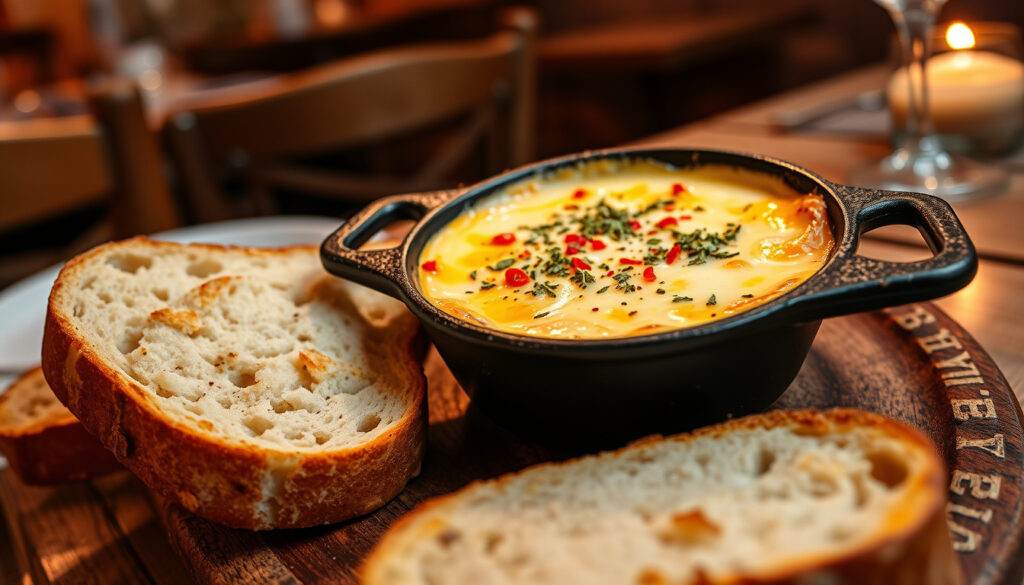
Provoleta is the Argentine name for what happens when you take a thick slab of provolone cheese, season it simply, and hit it with high heat until the outside blisters and the inside turns molten. It’s not a different kind of cheese—it’s provolone cheese prepared a specific way, almost always as an appetizer, and its appeal lies entirely in that contrast between a browned, salty crust and a warm, stretchy center. This guide walks through what provoleta actually is, compares the nutrition across common cooking methods, and tells you how to find or make it yourself.
What is Provoleta? (Quick Facts)
What is provoleta cheese in English?
In English, “provoleta” is simply grilled or fried provolone cheese. The word comes from combining the Italian cheese name provolone with the Spanish/Italian diminutive suffix meaning “little provolone.” The dish itself is Argentine — it appears on the grills of parrillas (steakhouses) across Buenos Aires and beyond. Unlike many cheese dishes that are breaded or battered, authentic provoleta is just a thick slice of firm provolone that gets cooked until the outside is browned and crusty while the inside turns soft and gooey.
Is provoleta healthy?
The answer depends entirely on portion size and cooking method. Provolone cheese on its own contains about 100 calories and 7 grams of fat per ounce, according to the University of Rochester Medical Center. But when you factor in the generous amount of oil often used to keep the cheese from sticking to the grill or pan, the calorie count can jump significantly.
For a direct comparison, here’s how the baseline nutrition stacks up against common reference cheeses:
| Cheese | Calories | Fat (g) | Sodium (mg) | Protein (g) |
|---|---|---|---|---|
| Provolone (typical) | ~350 | ~26 | ~876 | ~25 |
| Cheddar | ~403 | ~33 | ~621 | ~25 |
| Parmesan | ~431 | ~28 | ~1529 | ~38 |
| Part-skim mozzarella | ~280 | ~18 | ~619 | ~24 |
Nutritional data for provolone from the University of Rochester Medical Center. Comparison values from USDA FoodData Central.
What matters most for the final nutritional profile of the dish is the cooking method. The skillet-baked version from The Recipe Critic comes in at 163 calories and 13g of fat per serving, while Foodie With Family’s pan-fried method delivers 346 calories and 21g of fat. The difference is almost entirely the oil absorbed during cooking.
Is provoleta the same as fried provolone?
Yes. Culinary sources confirm that the term “provoleta” simply refers to provolone cheese that has been grilled or fried until it is soft and blistered on the outside. Food writers at Saveur describe it as the same Italian-style cheese — a low-moisture pasta filata cheese—which takes its name from the cooking method rather than the ingredient itself. So when a menu offers “fried provolone” or “provoleta,” you are getting the same dish, possibly with different serving accompaniments.
Provoleta vs. other cheese appetizers
Unlike breaded and deep-fried mozzarella sticks, provoleta is not coated. Instead, the cheese is seasoned with oregano, red pepper flakes, and a brush of oil before being cooked directly on a grill or in a skillet. The result is a browned, chewy crust with a soft interior—more like a cheese “steak” than a fried cheese stick.
Is provoleta healthy?
Calories and fat content
Because provoleta is just provolone that has been melted, its nutrition starts with the cheese itself. Standard nutritional data from the University of Rochester Medical Center shows that a 1 oz (28g) slice of provolone contains 98 calories, 7.5 g of fat, and about 7 g of protein. When scaled to a typical 4-oz (113g) serving, that base is roughly 392 calories and 30 g of fat.
However, home recipes often add olive oil, which increases both numbers significantly. For example, The Recipe Critic’s oven-baked version comes out at 163 calories per finished serving, while Foodie With Family’s pan-fried method reports 346 calories. The key variable is how much oil is absorbed during cooking.
Comparison to other cheeses
Per ounce, provolone sits in the middle of the cheese fat spectrum. It has less saturated fat than cheddar or Parmesan, but more than part-skim mozzarella. The bigger concern for provoleta specifically is not the cheese itself but the added oil. Recipes that call for olive oil or butter can increase the fat content by 30–50% compared to the cheese alone.
Healthier alternatives
If you want the provoleta experience with fewer calories, consider using reduced-fat provolone or simply skipping the added oil and cooking the cheese in a non-stick pan. Reducing the portion size from 4 oz to 2 oz also cuts the numbers roughly in half while still giving you the same blistered, golden result.
What is the best way to eat provolone cheese?
Classic provoleta recipe
The standard method starts with a thick slice of aged provolone—about one inch thick and roughly four to six ounces. The cheese is chilled for a couple of hours or even overnight (some sources recommend two to three days in the fridge) so that it holds its shape on the grill. It is brushed with olive oil, sprinkled with dried oregano and red pepper flakes, then grilled over medium-high heat for two to three minutes per side until the exterior is golden and blistered while the interior is soft and pull-apart tender. It is served immediately, often on a wooden board with chimichurri or crusty bread.
Alternative cooking methods
If you don’t have a grill, provoleta works equally well in a cast-iron skillet or under a broiler. The key is high heat and minimal handling—once the cheese starts to soften, it holds its shape best if you flip it only once. Some home cooks prefer a baked version: place the seasoned cheese in a small oven-safe dish and bake at 400°F until bubbling, then broil briefly to brown the top. This method yields a softer, more spreadable texture than the grilled version.
- Slice provolone into a 3/4- to 1-inch thick piece, about 4–6 ounces.
- Chill the slice for 2–3 hours (or up to 2 days) uncovered in the refrigerator to dry the surface—this prevents sticking and helps it hold shape on the grill.
- Brush both sides lightly with olive oil. Season with dried oregano, red pepper flakes, and a pinch of salt.
- Grill over medium-high heat (about 400°F) for 2–3 minutes per side, or until grill marks appear and the cheese begins to soften but not fully melt.
- Slide onto a plate or wooden board. Serve immediately with chimichurri, roasted peppers, or crusty bread.
If the cheese begins to leak through the grill grates, place it on a piece of foil with a few holes punched in it, or use a well-seasoned cast-iron pan instead.
Where can I find the best provoleta near me?
Argentine restaurants and parrillas
The most reliable place to order provoleta—often listed as “provoleta a la parrilla” or simply “provoleta”—is at an Argentine steakhouse. These restaurants, called parrillas, typically serve it as a starter while the grill is heating up. Search for “parrilla” or “Argentine steakhouse” on Google Maps; if the menu mentions provolone or provoleta, they likely have it.
Fried provolone at Italian restaurants
Many Italian-American restaurants offer a breaded and fried provolone appetizer that is similar in flavor but different in texture. The breading adds extra calories and carbs, but the core provolone taste is the same. If you order this, ask for a drizzle of olive oil and a sprinkle of oregano to bring it closer to the Argentine preparation.
Buying provolone for home cooking
Block provolone—either dolce (mild) or piccante (sharp)—is available at most grocery stores with a specialty cheese section. Aldi sells sliced smoked provolone, but for grilling you want a thick block, not slices. Look for an aged provolone that is firm and slightly crumbly at the edges; that texture holds up best on the grill. Online cheese retailers ship blocks of provolone suitable for provoleta, and some Argentine grocery stores carry pre-cut rounds specifically for this dish.
Related reading: Cracker Barrel Near Me
foodiewithfamily.com, eatthismuch.com, theargentino.com, honestcooking.com, urmc.rochester.edu, therecipecritic.com, meatwave.com, strongrfastr.com, youtube.com, homechef.com, virtahealth.com, saveur.com
If you are looking for authentic spots and recipes, check out this guide to the best provoleta near me for more detailed tips and locations.
Frequently asked questions about provoleta
Is provoleta the same as fried provolone?
Yes. Provoleta is the Argentine name for grilled or pan-fried provolone cheese. In the US, the same dish is often called “fried provolone” on restaurant menus.
Can provoleta be baked instead of grilled?
Yes. Place the seasoned cheese in a small oven-safe skillet or baking dish and bake at 400°F for 8–10 minutes, then broil briefly to brown the top. The texture will be softer and less charred than grilled provoleta.
Does provoleta freeze well?
No. Freezing changes the moisture structure of provolone, making it crumbly and watery when thawed. Always cook provoleta fresh from the refrigerator.
What is the best provolone brand for provoleta?
Look for aged provolone labeled “piccante” or “aged” from brands like Galbani, BelGioioso, or Locatelli. These hold their shape on the grill better than younger, softer provolone.
Is provoleta keto-friendly?
Yes. Provolone cheese has less than 1 g of carbohydrate per ounce, and traditional provoleta toppings (oregano, oil, chili flakes) add negligible carbs. The dish fits standard keto macronutrient targets.
How long should I grill provoleta?
2–3 minutes per side over direct medium-high heat. The goal is a golden-brown, slightly charred exterior while the inside stays soft but not fully melted through—around 160°F internal temperature.
Where to buy provoleta cheese
Pre-packaged “provoleta” cheese is rarely labeled as such in U.S. supermarkets. Instead, look for aged provolone in block form at Italian specialty stores, deli counters, or online retailers such as Amazon or Italian food purveyors. Argentine markets and some Latin American grocery stores sometimes sell pre-sliced provolone rounds labeled for provoleta. For the most reliable result, buy a 6–8 oz block of aged provolone and cut it yourself into ¾-inch to 1-inch thick slices.
Cooking method comparison
| Method | Total time | Calories (per serving) | Fat | Best for |
|---|---|---|---|---|
| Grilled (Meatwave-style) | 4–6 min | ~350 | ~25 g | Char and smoky flavor |
| Skillet-baked (The Recipe Critic) | 10 min | ~163 | ~13 g | Lower calorie option |
| Pan-fried (Foodie With Family) | ~5 min | ~346 | ~21 g | Quick stovetop version |
Calorie and fat data from the linked recipes. Actual values vary based on cheese thickness and oil used.
Where to buy provolone for grilling
Most supermarkets carry provolone in the deli section, but it is often sliced thin for sandwiches. Ask the deli counter to cut a 1-inch thick slab from a whole provolone wheel, or buy a pre-wrapped block labeled “provolone” or “provolone piccante.” Specialty Italian markets and online cheese retailers (such as Murray’s Cheese or iGourmet) offer aged provolone that grills especially well. For provoleta specifically marketed for this dish, check Argentine or Latin American grocery stores in your area.
| Retailer type | Product found | Best for |
|---|---|---|
| Argentine grocer | Whole provolone block | Most authentic, often aged |
| Specialty cheese counter | Aged provolone piccante | Firm texture, grills well |
| Online (iGourmet, Amazon) | Imported provolone block | Home delivery |
| Supermarket (sliced) | Provolone deli slices | Not ideal—too thin for grilling |
Related reading: Cracker Barrel Near Me
Frequently asked questions
Is provoleta the same as fried provolone?
Yes. Provoleta is simply the Argentine name for provolone cheese that has been grilled or fried until the outside is browned and the inside is melted. The two terms describe the same dish.
Can provoleta be baked instead of grilled?
Yes. Place seasoned provolone in a small oven-safe skillet and bake at 400°F for 8–10 minutes, then broil briefly to brown the top. The texture will be slightly different—less crusty on the edges—but the flavor is still excellent.
Does provoleta freeze well?
No. Provolone cheese becomes crumbly and watery after freezing and thawing, and the texture after cooking will be less pleasant. Always start with fresh provolone for provoleta.
What does provoleta taste like?
It has a salty, slightly nutty flavor from the provolone, with a smoky char from the grill and a hint of herbiness from oregano. The texture is similar to a firm, browned cheese crisp on the outside with a stretchy, soft interior.
Related reading: Cracker Barrel Near Me
Frequently asked questions about provoleta
Is provoleta the same as fried provolone?
Yes. Provoleta is the Argentine term; fried provolone is the English description. The two refer to the same process and result.
Can you freeze provoleta after cooking?
Not recommended. The cheese will become rubbery and watery when thawed. Serve fresh.
What is the best cheese for provoleta?
Aged provolone (piccante) holds its shape best. Younger, softer provolone may melt too quickly and run off the grill.
Is provoleta gluten-free?
Yes. The dish contains no wheat ingredients unless breadcrumbs are added. The classic version with oregano and olive oil is naturally gluten-free.
Can I make provoleta without a grill?
Yes. Use a cast-iron skillet over medium-high heat, or bake in a 400°F oven. The result will be slightly different but still recognizable as provoleta.
Upsides
- High protein and calcium per serving
- Naturally low-carb / keto-friendly (less than 1 g carb per oz)
- Quick cooking—ready in under 10 minutes
- Very adaptable; works as appetizer, snack, or side
Downsides
- Relatively high in saturated fat (above the American Heart Association guidelines for a single serving if you eat 4+ oz)
- Adding oil for cooking significantly raises the fat content
- Can be hard to find outside of Argentine restaurants or specialty cheese shops
- High sodium — about 880 mg per 100g provolone
For
More related posts
 Nani Lilo and Stitch: Character Guide, Age, and Hawaiian Roots
 Indiana Fever vs New York Liberty Player Stats: Game Analysis
 Most Dangerous Animal in the World: Ranked by Deaths
 Jelly Roll Wild Ones: Song, Female Vocalist, and His Story
 Gears of War E-Day: Release Date, Platforms & Trailer
 What Is Florida’s Minimum Wage in 2025? $14.00/hr
 Teen Jobs Near Me: 2025 Guide for 14, 15 & 16 Year Olds
 Best Places to Eat Near Me: Dublin, Galway & Cork Guide